





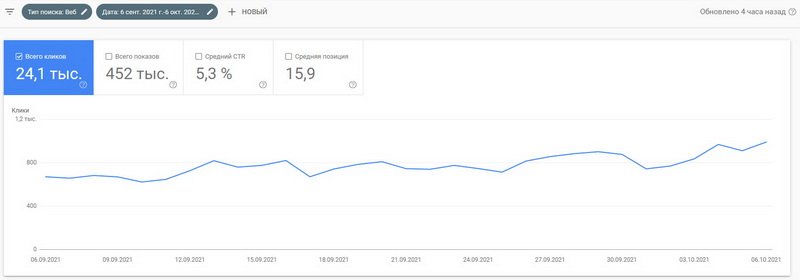
SEO for Hearing Aid Store: from 1920 Visits to 24100
Simerex Online Store of Hearing Aids:
SEO (Search Engine Optimization) for a hearing aid store focuses on enhancing the store’s website and digital presence to increase its visibility in search engine results, attract relevant traffic, and ultimately drive more sales and consultations for hearing aid products and services. Given the specialized nature of hearing aids, SEO efforts are geared toward reaching individuals experiencing hearing loss, caregivers, or medical professionals looking for hearing aids and related services.
Key Components of SEO for a Hearing Aid Store:
1. Keyword Research
- Targeted Keywords: Identify keywords specific to hearing aid products and services, such as "best hearing aids for seniors," "affordable digital hearing aids," "Bluetooth hearing aids," or "custom ear molds for hearing aids."
- Location-Based Keywords: Use local search terms like "hearing aid store near me" or "hearing aids in [city]" to target users seeking local hearing aid services.
2. On-Page Optimization
- Product Pages: Each hearing aid product should have optimized descriptions that include important features (e.g., noise cancellation, Bluetooth connectivity) along with relevant keywords such as "high-performance hearing aids for severe hearing loss."
- Meta Titles and Descriptions: Ensure all pages have SEO-optimized titles and descriptions to improve click-through rates. For example, "Affordable Hearing Aids | Free Hearing Tests at [Store Name]."
- Service Pages: Optimize pages offering hearing tests, consultations, or repairs, using service-specific keywords like "hearing aid fitting services" or "hearing aid repair near me."
3. Local SEO
- Google My Business: Fully optimize the Google My Business listing with accurate business details, including store hours, location, services, and customer reviews. It helps potential customers find your store when searching locally.
- Local Keywords: Incorporate location-specific keywords, such as "hearing aid center in [city]" or "hearing specialists in [neighborhood]," to attract local searches.
4. Content Marketing
- Educational Blog Posts: Create informative content around topics like "How to Choose the Right Hearing Aid," "Tips for Maintaining Your Hearing Aids," or "Signs You Need a Hearing Aid." This type of content can answer common questions and attract users looking for advice.
- Hearing Health Tips: Share hearing health advice and recommendations for those considering hearing aids or adjusting to life with them.
- Hearing Aid Comparisons: Write comparison articles to help users understand the differences between brands, features, and price points (e.g., "Best Hearing Aids of 2024").
5. Technical SEO
- Mobile-Friendly Design: Ensure the website is optimized for mobile devices, as many users search for hearing aids on their smartphones.
- Page Speed: Optimize site speed to reduce bounce rates and improve user experience.
- Structured Data: Use schema markup to help search engines better understand product listings, pricing, availability, and reviews.
6. Link Building
- Backlinks from Health Blogs: Gain backlinks from medical, health, and wellness blogs through partnerships, guest posts, or product reviews.
- Local Directories: Submit the business to relevant local directories or industry-specific listings like hearing aid provider directories to improve local SEO.
7. User Reviews
- Customer Testimonials: Showcase real customer reviews and testimonials on your website and on platforms like Google My Business and Yelp to build trust with potential buyers.
- External Reviews: Encourage satisfied customers to leave reviews on third-party sites like Google, Facebook, or Trustpilot to enhance your online reputation.
8. Social Media Integration
- Engage on Social Platforms: Promote your hearing aids, services, and informational content on platforms like Facebook, Instagram, or YouTube, where you can share customer success stories, video demonstrations of products, or tips for hearing aid care.
- Video Content: Create educational videos or tutorials about how to use and care for hearing aids, which can be shared on social media and YouTube.
9. Conversion Rate Optimization (CRO)
- Clear CTAs: Use strong calls-to-action such as "Book a Free Hearing Test," "Schedule a Consultation," or "Shop Hearing Aids Now" to encourage users to take action.
- Simple Checkout Process: If the store sells hearing aids online, ensure a streamlined checkout process to reduce cart abandonment.
10. Analytics and Tracking
- Google Analytics: Use analytics tools to monitor visitor behavior, conversions, and traffic sources, helping you refine and improve your SEO strategy.
- Search Console: Monitor how your site is performing in search results, and fix any issues affecting rankings or indexing.
11. Voice Search Optimization
- Natural Language Queries: As more users rely on voice search, optimize for voice queries like "where to buy hearing aids near me" or "best hearing aids for seniors."
What is the result
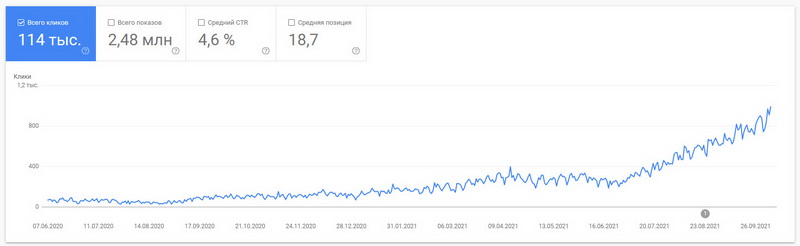
- In 20 months of operation, traffic increased 12 times;
- Website visibility increased to 107%;
- The site was optimized for 183 keywords, of which: 127 were in the Rank-3, 154 in the Rank-10, 166 in the Rank-30.
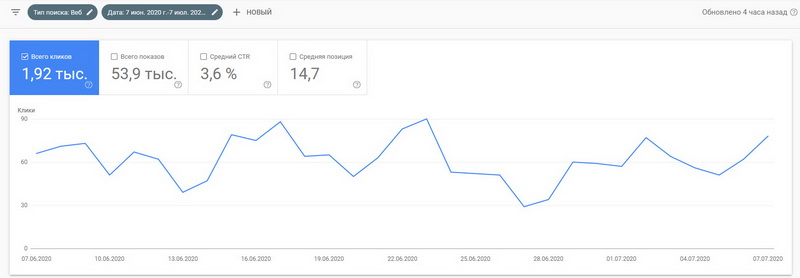
Traffic before SEO - 1920 visits:
Traffic after SEO — 24,100 visits:
Growth chart for site visits:
SEO result of website promotion:
The site has been optimized for keyword 183.
Rank keywords before SEO:

Rank keywords after SEO:

Keywords in Rank 3: