





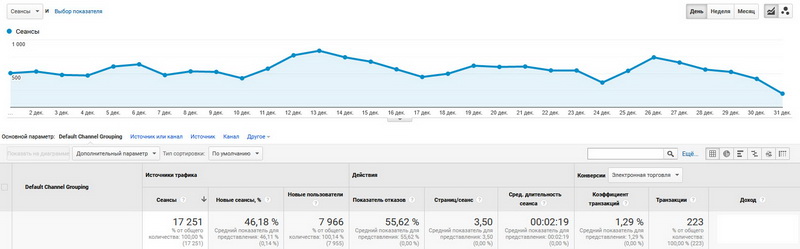
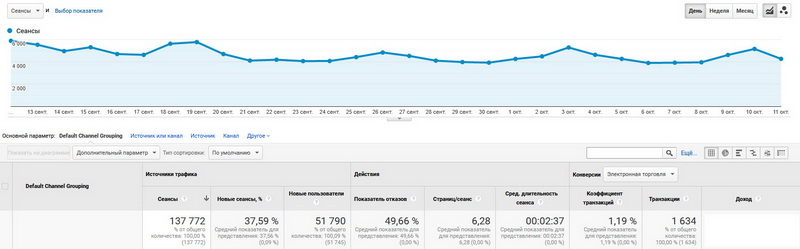
SEO for Children's Clothing Store: from 17251 Visits to 137772
Children's Clothing Online Store:
URL hidden
SEO (Search Engine Optimization) for a children's clothing store involves optimizing the store's website and online presence to increase visibility in search engine results, attract organic traffic, and drive more sales. This optimization is tailored to reach parents and caregivers searching for kids' clothing, shoes, accessories, and related products. Here are the key components of SEO for a children's clothing store:
1. Keyword Research
- Target Keywords: Identify specific search terms that parents might use, such as "affordable children's clothing," "baby clothes online," "kids' fashion trends," or "organic baby outfits."
- Seasonal and Occasion-Based Keywords: Include seasonal and event-specific keywords like "winter clothes for toddlers," "back-to-school outfits," or "holiday dresses for kids."
2. On-Page Optimization
- Product Descriptions: Optimize each product page with detailed descriptions that include relevant keywords. For example, "comfortable cotton t-shirts for boys" or "girls' summer dresses made of organic fabrics."
- Meta Tags: Use SEO-friendly meta titles and descriptions for all pages, incorporating target keywords like "Best Online Store for Children's Clothing" or "Buy Trendy Kids' Clothes."
- Category Pages: Create well-organized category pages such as "baby clothes," "toddler outfits," and "teen fashion," each optimized with relevant keywords.
3. Local SEO
- Google My Business: If the store has a physical location, optimize the Google My Business profile to attract local customers searching for children's clothing stores nearby.
- Local Keywords: Use local terms like "children's clothing store in [city]" or "best kids' clothes in [neighborhood]" to target nearby shoppers.
4. Content Marketing
- Blog Posts: Write blog content around children's fashion, parenting tips, and product recommendations. Articles like "Top 10 Summer Outfits for Kids" or "How to Choose the Right Size for Baby Clothes" can attract relevant traffic.
- Style Guides: Create style guides or lookbooks for different seasons, occasions, or age groups to engage visitors and provide value.
- Product Reviews and Testimonials: Showcase customer reviews or testimonials to build trust and improve user experience.
5. Technical SEO
- Mobile Optimization: Ensure the website is fully responsive and mobile-friendly since many parents shop using their smartphones.
- Fast Loading Speed: Improve page loading speed to reduce bounce rates and ensure a smooth shopping experience.
- Structured Data: Use schema markup to display product details like price, availability, and reviews in search results, which can improve click-through rates.
6. Link Building
- Backlinks from Parenting Blogs: Collaborate with parenting or family-focused blogs to gain backlinks through guest posts, product features, or reviews.
- Influencer Marketing: Partner with parenting influencers or mommy bloggers to showcase your products and generate high-quality backlinks to your site.
7. User Reviews
- Encourage Product Reviews: Allow customers to leave reviews on product pages, as positive reviews can improve trust and search rankings.
- External Reviews: Gather reviews on platforms like Google and Facebook to boost credibility and local SEO rankings.
8. Social Media Integration
- Social Sharing: Promote products, sales, and fashion tips on social media platforms like Instagram, Facebook, and Pinterest, which are popular among parents.
- Engagement: Use social media to interact with customers and share content like outfit ideas for children, behind-the-scenes store updates, and new arrivals.
9. Conversion Rate Optimization (CRO)
- Clear CTAs: Use strong calls-to-action like "Shop Now," "Free Shipping on All Orders," or "Check Out New Arrivals" to guide users through the purchasing process.
- Simplified Checkout: Ensure the checkout process is simple and intuitive to reduce cart abandonment.
10. Analytics and Tracking
- Google Analytics: Track visitor behavior, conversions, and traffic sources to continually refine your SEO strategy.
- Search Console: Use Google Search Console to monitor keyword performance and identify any issues with your site’s visibility.
What is the result
- In 24 months of work, traffic increased 8 times;
- Website visibility increased to 6%;
- The site was optimized for 6200 keywords, of which: 346 were in the Rank-3, 1200 in the Rank-10, 3209 in the Rank-30.
Traffic before SEO — 17,251 visits:
Traffic after SEO — 137,772 visits:
Rank keywords before SEO:

Rank keywords after SEO:

Keywords in Rank 5: